August 10, 2026
This article aims to provide a comprehensive overview of landscaping companies, including their roles, the services they offer, and factors to consider when hiring one. Landscaping can transform and enhance outdoor spaces, and understanding the industry will help individuals and businesses make informed choices.
The Role of Landscaping Companies
Understanding the Core Responsibilities
Landscaping companies are pivotal in shaping the aesthetics and functionality of outdoor spaces. From initial design concepts to the final execution, these companies ensure that the vision for a garden or outdoor area is fully realized. They must understand the ecological systems in place, ensuring harmony between the constructed environment and nature. Additionally, their roles often extend to project management, coordinating various tasks to complete projects on schedule. Their core responsibilities go beyond beautification; they create sustainable environments that can improve both the quality of life and environmental health.
A critical aspect of their responsibility involves understanding client needs and translating them into practical designs. This requires a blend of technical knowledge and creativity to effectively address challenges posed by the existing site conditions. In residential contexts, landscaping can boost property value by refining curb appeal and expanding usable outdoor space. In commercial settings, these enhancements can attract customers and improve employee wellness. Landscaping companies therefore must balance aesthetic goals with functional requirements to meet diverse objectives.
Moreover, landscaping companies have the responsibility to stay informed about regulations and best practices within their industry. This includes staying updated on environmental sustainability and innovative design trends. As industry standards evolve, their ability to adapt and implement new techniques is crucial. According to IBISWorld, the market size of the Landscaping Services industry in the United States is projected to reach $188.8bn in 2026, highlighting the significance and growing demand for their expertise. Thus, their role isn't static; it evolves in response to societal needs, technological advancements, and ecological considerations.
Types of Landscaping Companies
Landscaping companies can be broadly categorized into design firms, maintenance contractors, and integrated services providers. Design firms focus predominantly on planning and landscape architecture, working closely with clients to conceptualize their dream spaces. They may be engaged chiefly at the start of projects, laying the groundwork for future construction work. Maintenance contractors, on the other hand, specialize in the regular care and upkeep of landscapes, ensuring their prolonged health and aesthetic appeal. Finally, integrated service providers offer a full suite of offerings that include design, installation, and maintenance, providing a seamless customer experience.
Each type of company serves distinct market segments with unique needs. For instance, residential clients might prefer smaller companies that provide personalized service. Meanwhile, large commercial properties might benefit from a firm that can handle extensive grounds and complex installations. Specialized companies might also emerge, focusing solely on niche areas such as sustainable landscapes or water features. These distinctions help clients choose providers aligned with their specific project needs.
The choice between these types often depends on the scale and complexity of the project. Some clients may seek a bespoke design service to ensure every detail reflects their personal aesthetic, while others might prioritize cost-effectiveness and choose companies offering holistic packages. Understanding the strengths and limitations of each type allows clients to foster the right partnership. With increasing industry competition, many companies now diversify their offerings to remain competitive. This evolution reflects the ongoing demand for personalized, adaptable, and expert landscaping services.
The Importance of Professional Expertise
Professional expertise in landscaping ensures projects are executed with precision, efficiency, and sustainability in mind. Landscapers possess specialized knowledge about plant biology, soil health, and climatic considerations—critical elements that laypersons might overlook. Their expertise extends to understanding topographies and drainage systems essential to creating enduring landscapes. Hiring professionals reduces the risk of costly mistakes or oversights that can compromise the longevity of the project. Additionally, experienced landscapers can anticipate potential site issues, proposing solutions to avert future complications.
In modern landscaping, value is increasingly placed on environmental stewardship and sustainable practices. Professionals are trained to incorporate eco-friendly designs that prioritize native plant selections and water conservation techniques. This expertise not only benefits the environment but can also result in cost savings on water and maintenance for the property owner. Furthermore, professionals stay abreast of the latest technologies and materials that enhance sustainability efforts. This ongoing education helps them implement practical solutions that align with both client desires and larger ecological goals.
The impact of professional expertise on property value cannot be overstated. Well-landscaped properties frequently see significant increases in market value, often exceeding the initial investment in landscaping services. Moreover, a professionally executed landscape can enhance curb appeal, making properties more attractive to potential buyers or tenants. Beyond financial returns, expertly designed landscapes improve quality of life, providing esthetic pleasure and functional spaces for relaxation and recreation. Thus, professional expertise is essential in realizing the full potential and benefits of landscaping projects.
Collaboration with Other Professionals
Landscaping companies often collaborate with a variety of other professionals, including architects, builders, and urban planners. This multi-disciplinary approach ensures that landscaping projects are harmonious with the larger architectural and community context. In large-scale developments, coordination with urban planners and local governments may be necessary to comply with zoning laws or environmental regulations. Such collaboration ensures that landscaping integrates seamlessly with existing or planned infrastructure, contributing to cohesive and sustainable developments. Moreover, interior designers might also engage with landscapers in projects where indoor-outdoor living spaces need to be harmoniously connected.
Effective collaboration between these varied professionals demands strong communication skills and a shared vision. Successful projects often involve workshops and regular meetings to align goals, timelines, and responsibilities. These interactions enable the integration of different perspectives, enriching the quality and creativity of the final outcome. Moreover, understanding the roles and expertise of each team member can foster mutual respect and cooperation. This multifaceted teamwork is crucial, especially in complex projects where the interdependence of systems demands precise planning and execution.
The collaboration also extends to sourcing materials and technologies. Landscaping companies may work with nurseries, suppliers, and manufacturers to procure the specific plants, materials, and equipment required for a project. Building solid relationships with reliable vendors ensures access to quality products and timely deliveries. In recent years, trends such as smart technology integration in landscapes have further broadened the collaboration scope, involving tech companies to install systems like automated irrigation or lighting. The value of such partnerships lies in leveraging diverse expertise toward a common goal of creating dynamic and impactful landscapes.
Impact on Property Value and Aesthetics
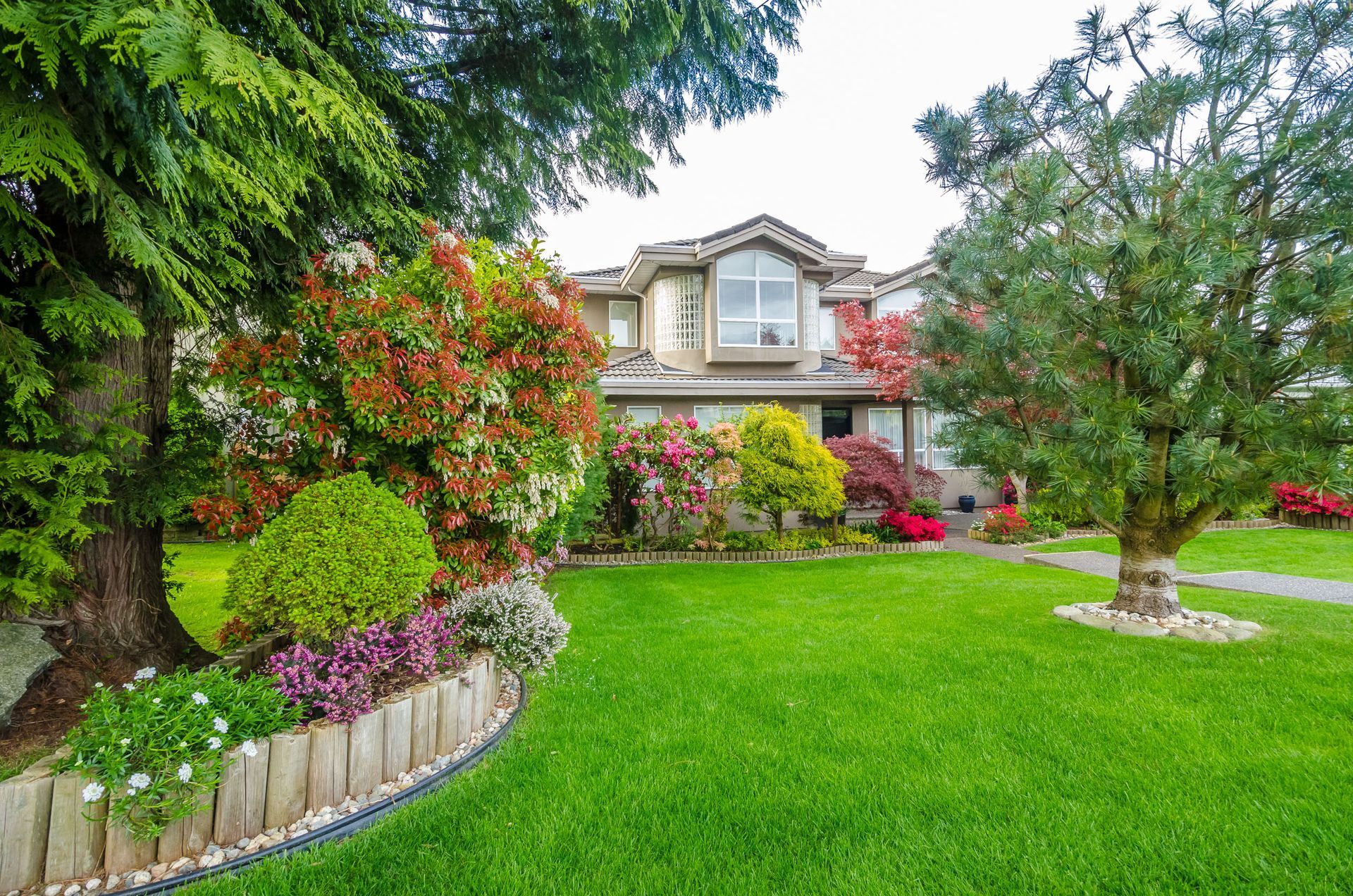
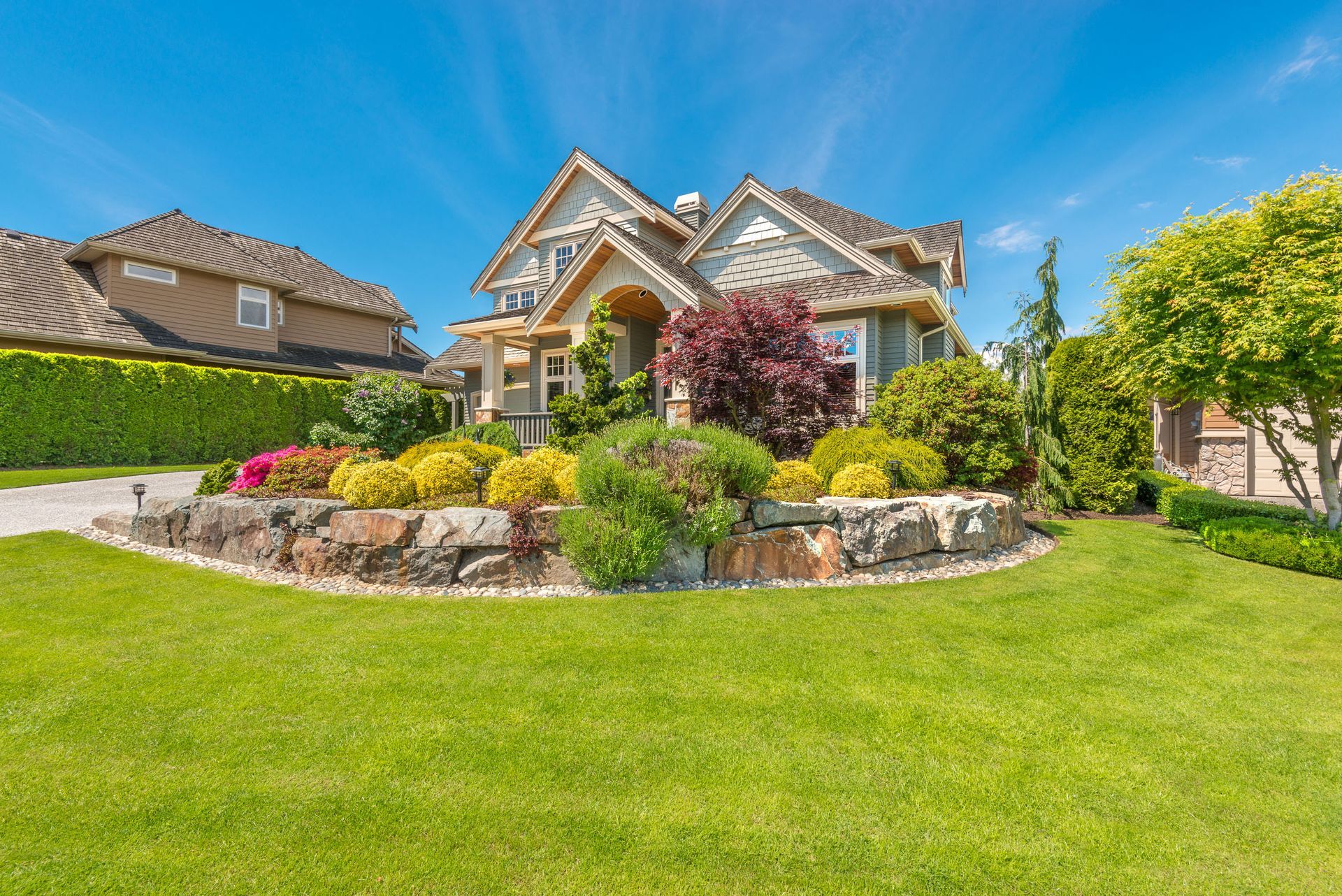
The impact of landscaping on property aesthetics and value is profound and multifaceted. A thoughtfully designed landscape enhances curb appeal, making any home more inviting and visually attractive. This improved first impression can significantly influence property values, often yielding a higher return on investment than many other home improvements. Studies have shown that quality landscaping can increase property values by as much as 10-12%. The transformative power of landscaping not only applies to the residential sector but also to commercial properties, where outdoor spaces influence customer perceptions and brand image.
In terms of aesthetics, landscaping contributes to outdoor spaces' overall ambiance and character. Well-executed designs reflect personal taste while respecting the existing architecture and environmental context. The integration of color, texture, and structure through various plantings and hardscape elements crafts unique environments that enhance usability and enjoyment. Additionally, landscaping can serve functional purposes, such as creating privacy screens, reducing noise pollution, or providing shades and natural cooling effects. The intersection of aesthetics and functionality is where landscaping truly adds value and enriches user experiences. Be sure to reach out to Amelon Lawn Care LLC today to learn more about our professional landscaping companies!